Main Gallery Area
Featured

What exactly is going on with fraud lately?
Fraud Facts
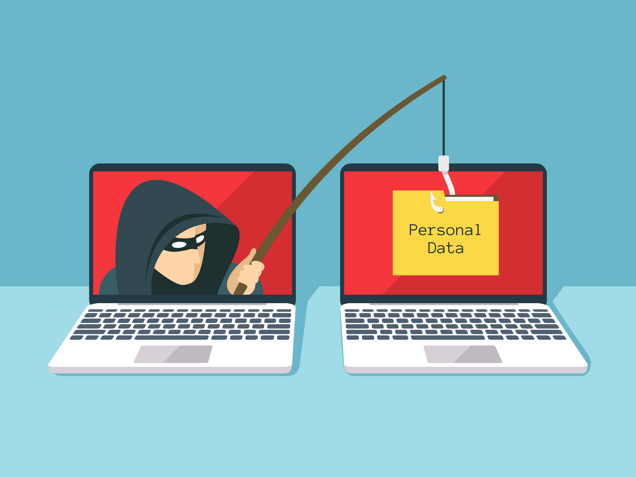
This document provides an essential overview of the growing threats posed by phishing scams and internet fraud in our increasingly digital world. Readers will gain valuable insights into: 1. The nature and methods of phishing scams and internet fraud 2. The severe consequences these threats can have on individuals and businesses 3. Real-life examples of people who have fallen victim to such scams 4. Practical tips and precautions to protect oneself from these digital dangers.

What types of scams are there? And what do scammers do to make their lies appear real?

To keep yourself safe from scammers, we recommend you take the following precautions when sending money.

You just received a text/email that seems legit, but is it? Try your best to confirm/deny how to approach the following scenarios!
Identify Identity Theft

Identity theft stats reveal alarming trends in fraudulent activities affecting personal and financial security worldwide. In this step, we'll delve into eye-opening statistics on identity theft to help you stay vigilant and safeguard against fraud!

As identified in Identity Theft Stats Part I, online identity theft is rising. In Part II, we'll review more stats highlighting the urgent threat of identity theft.

Experiencing identity theft can be devastating, as victims often endure financial loss, emotional distress, and a lengthy recovery process. In this round, we'll review some truths about victims of identity theft.

Synthetic identity theft is a unique form of fraud in which a real person’s Social Security number (SSN) is stolen. Then, a name, date of birth, mailing address, email account, and phone number are made up and applied to that legitimate SSN to create a new identity. This step reviews what is involved in synthetic identity theft.

No one wants to fall victim to identity fraud. But what should you do if it happens to you? In this step, we'll cover the essential actions you must take to protect your identity after an attempted theft.
Identify Investment Scams

Investment fraud occurs when scammers promise quick wealth or guaranteed returns, like doubling your money fast. Instead, they take your money and disappear. In newer scams, fraudsters use social media, dating apps, and websites to entice people with promises of quick, high returns, often employing tactics like pyramid schemes and celebrity endorsements. This step reviews how to identify and protect yourself from such scams.
Stay Scam-Savvy

One way fraudsters collect your personal information is through telephone scams. A popular scam involves the caller posing as a representative from a large business, such as Amazon. How should you respond if a phone scam targets you?

Thieves rely on your good nature when they pose as a relative experiencing an emergency. While your initial reaction may be to help however you can, it's essential to stop, think, and ask necessary questions. In this scenario, you'll be able to practice dealing with a fake emergency phone scam.

Let's go over an example of an Account Termination Threat email and how to identify this type of Phishing Email.

How do you know whether or not that email truly is from your CEO?

Is that email really from Payroll? Let's find out!

These scams often go above and beyond the "standard" scam email by not only spoofing the email, but the website of the company as well!

Phishing attempts on your mobile phone are often simpler than email ones, but they can be just as devastating if you fall for their scam!

Shipping companies often offer alerts for those who want to stay up-to-date on the status of their packages. Unfortunately, scammers take advantage of this to try to catch you in a trap!

When a fraudster attempts a "pig butchering" scam, they try to convince the victim to invest in cryptocurrency. Do your best to respond perfectly at every step of the following conversation and shut down that scam!